

NEW YORK CITY GUIDE
A designer's guide to the city that never lets you look away

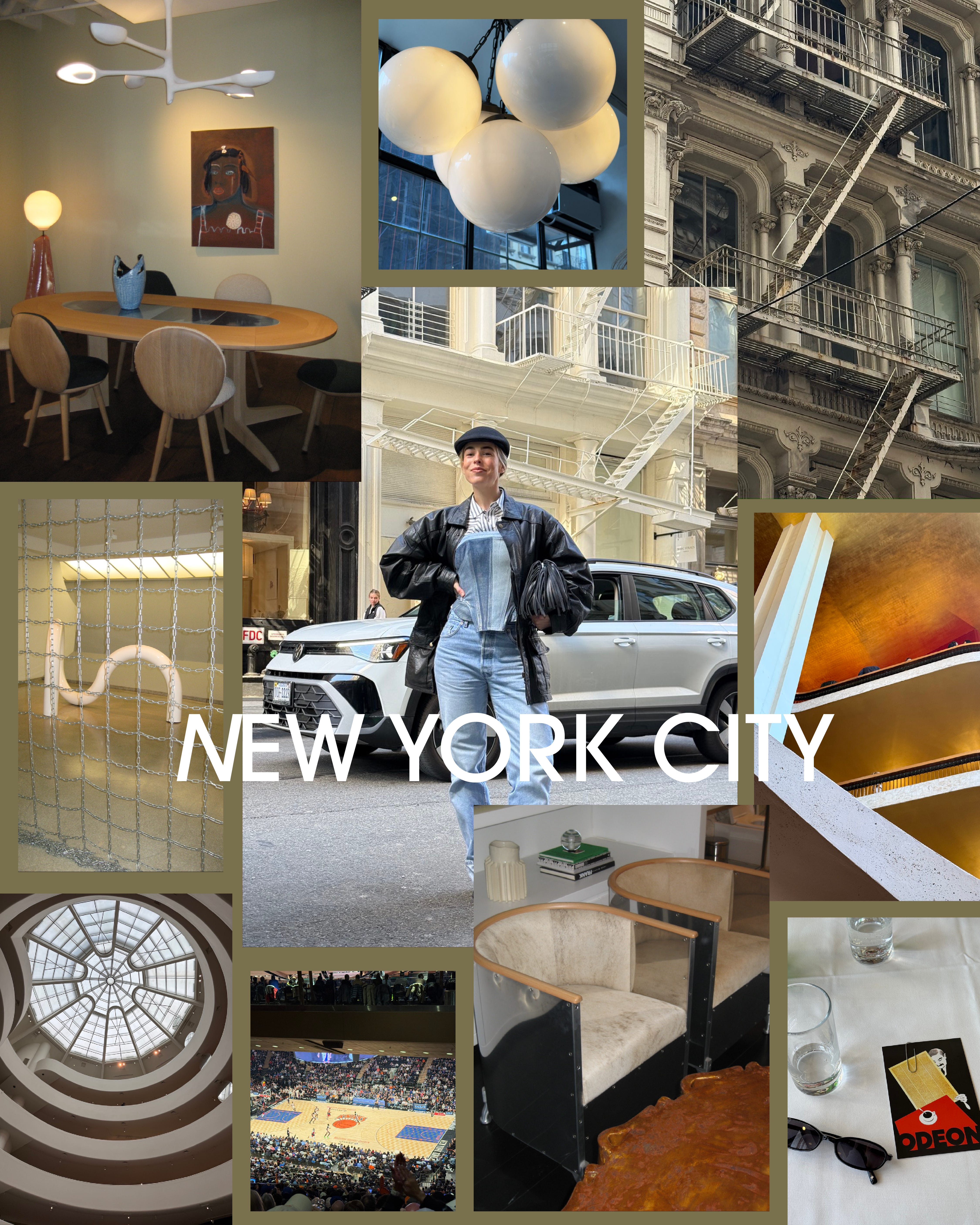
New York is the only city that makes me walk faster and look slower at the same time. Five days with the family, tourist mode included, and I still came back with a notebook full of observations and a list of places I’m already planning around for the next visit.
The city is relentless in the best possible way. It raises the stakes on every spatial decision you make. So much history and so many leading, intentional concepts existing in the same ten blocks. Imagine surrounding yourself with this every day. If you do: lucky you!!
Here’s my curated city guide for people who love design, fashion, furniture, restaurant concepts and architecture. Not everything made it into my days, but everything on this list belongs here for a reason. I also made you visual lists to screenshot. I’ve tried to keep it tight, which may have been the hardest task of the year so far (besides making a selection out of the 1000 pictures I took lol).
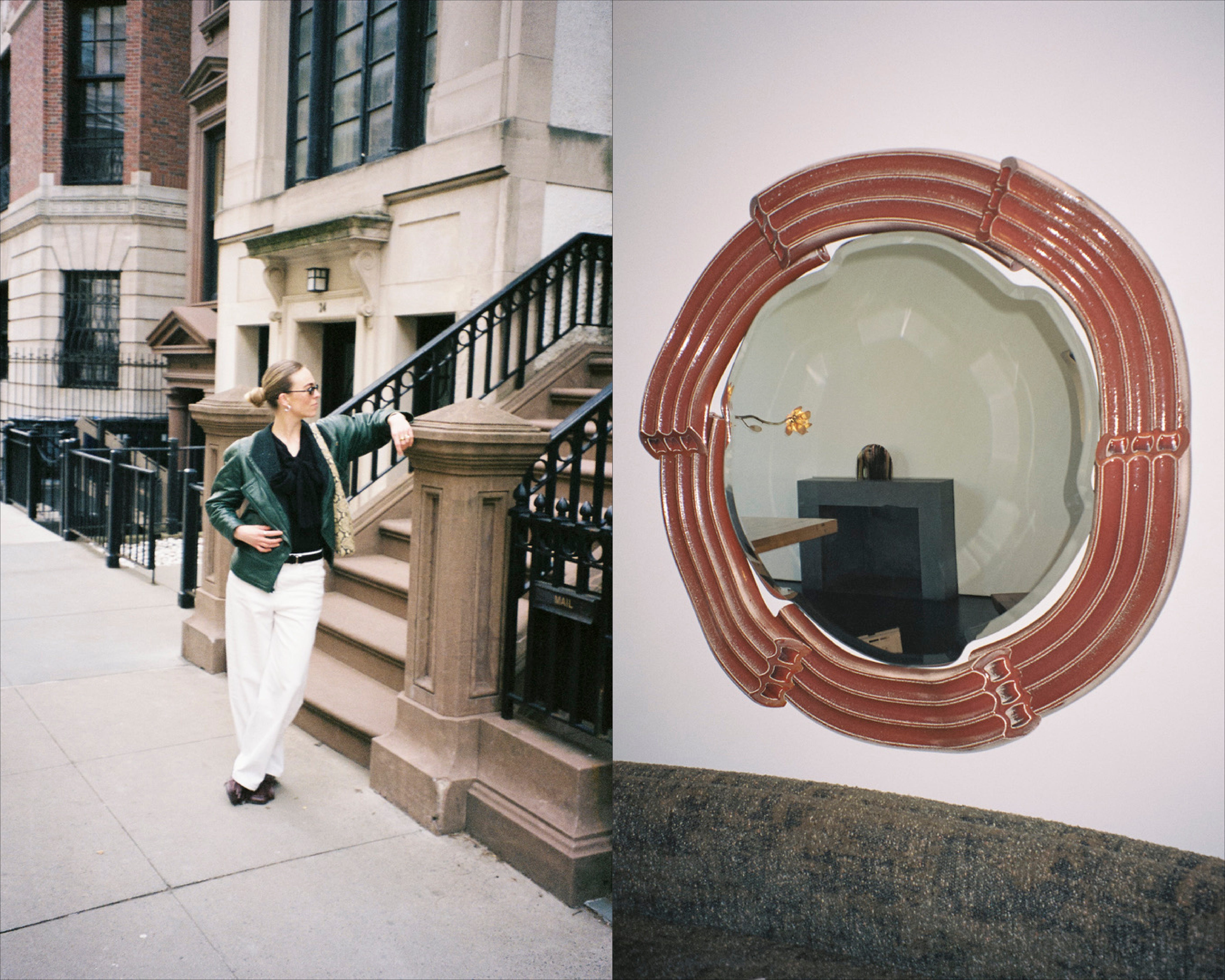
STAY
I believe the neighborhood you stay in can make or break a city trip. Even with an itinerary, the in-between moments matter just as much: the walk to coffee, the detour before dinner, the street you didn't plan to be on. That's where the city actually happens and where I always find the thing that wasn't on the list just by wandering around.
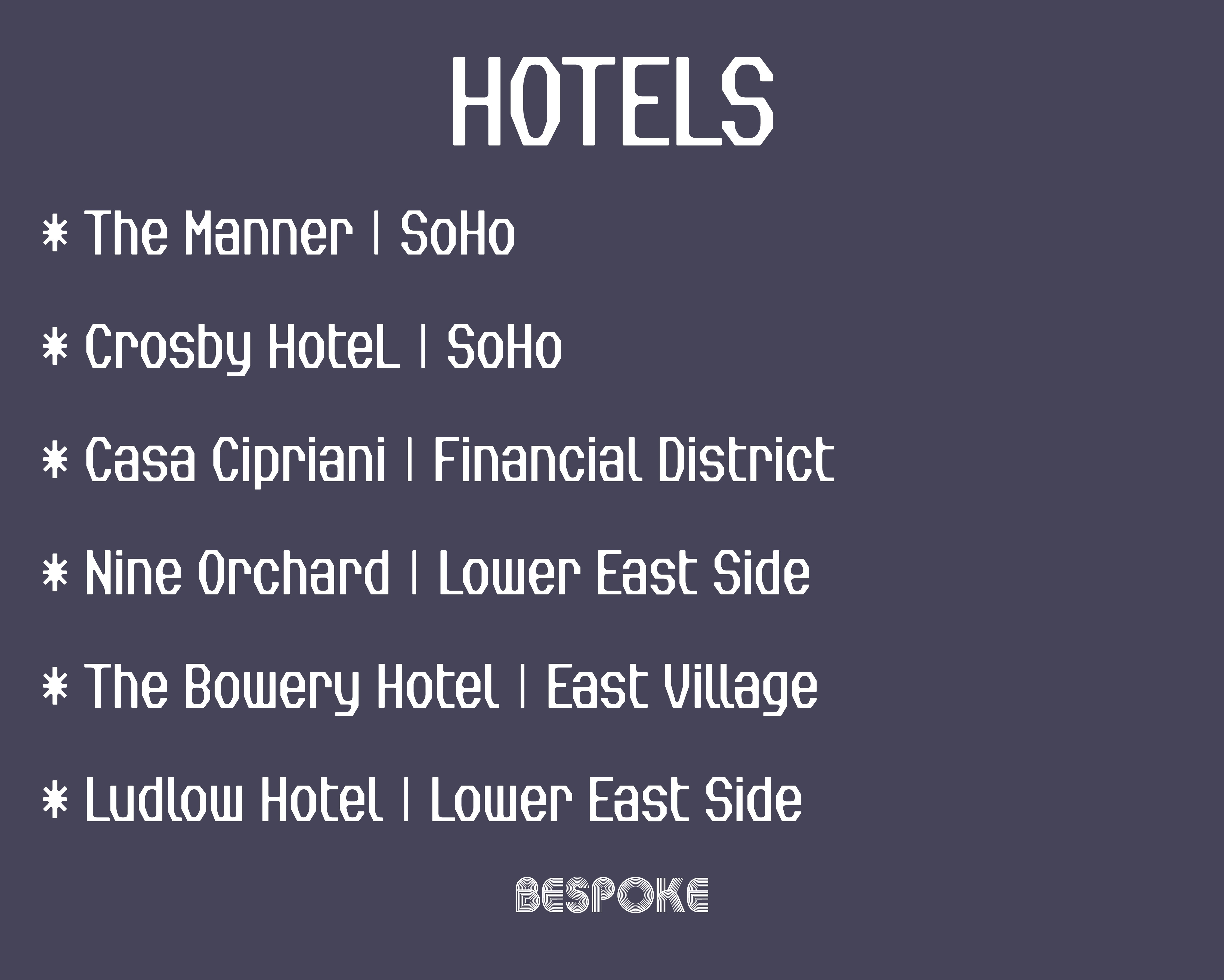
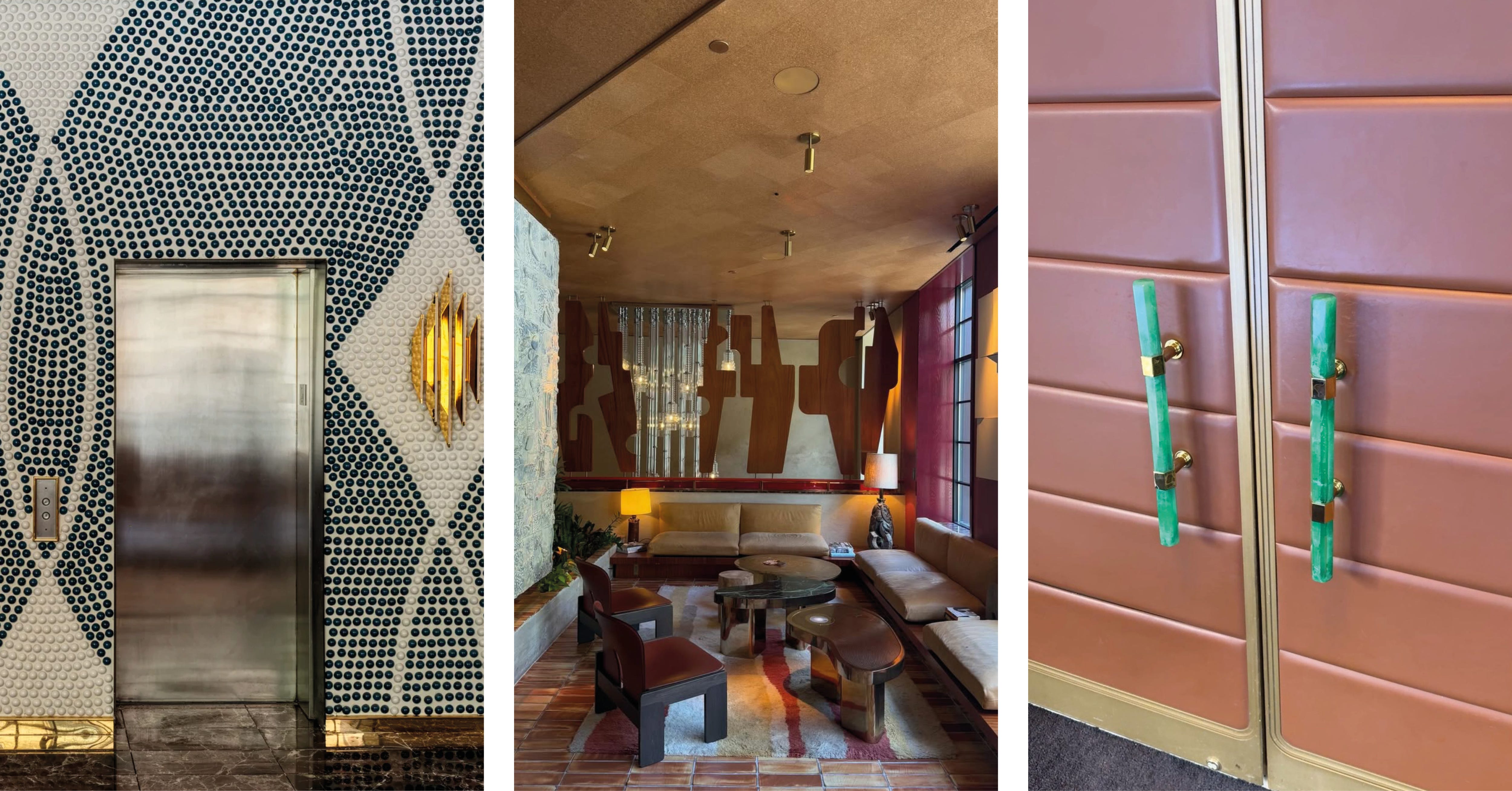
The Manner was designed by Milanese architect Hannes Peer with Standard International’s chief design officer Verena Haller, and described by Vogue as Gio Ponti on acid, with a dash of classic New York Studio 54-worthy glitz. The rooms are moody, warm, layered in lacquer, velvet, and gold leaf. No televisions, no formal check-in desk, a second-floor bar called Sloane’s with hand-applied gold leaf on the walls. The kind of hotel that was designed for a specific kind of person rather than a category of guest. Everything I’ve seen tells me this is the one. First booking for my next trip!
The Crosby Street Hotel with Kit Kemp’s maximalism is not my aesthetic, but I say that with full respect for what she’s doing. The Crosby commits completely to a point of view and never once apologizes for it. The wallpaper runs all the way through every corridor, the furniture pieces are stand-outs, one after another, and the library feels like an actual escape from the city. We had breakfast in the lounge, sat in the patio for a quick espresso, and I kept noticing: this is someone who knows exactly what she wants a room to feel like, even when that feeling is not yours. That clarity is its own kind of skill.
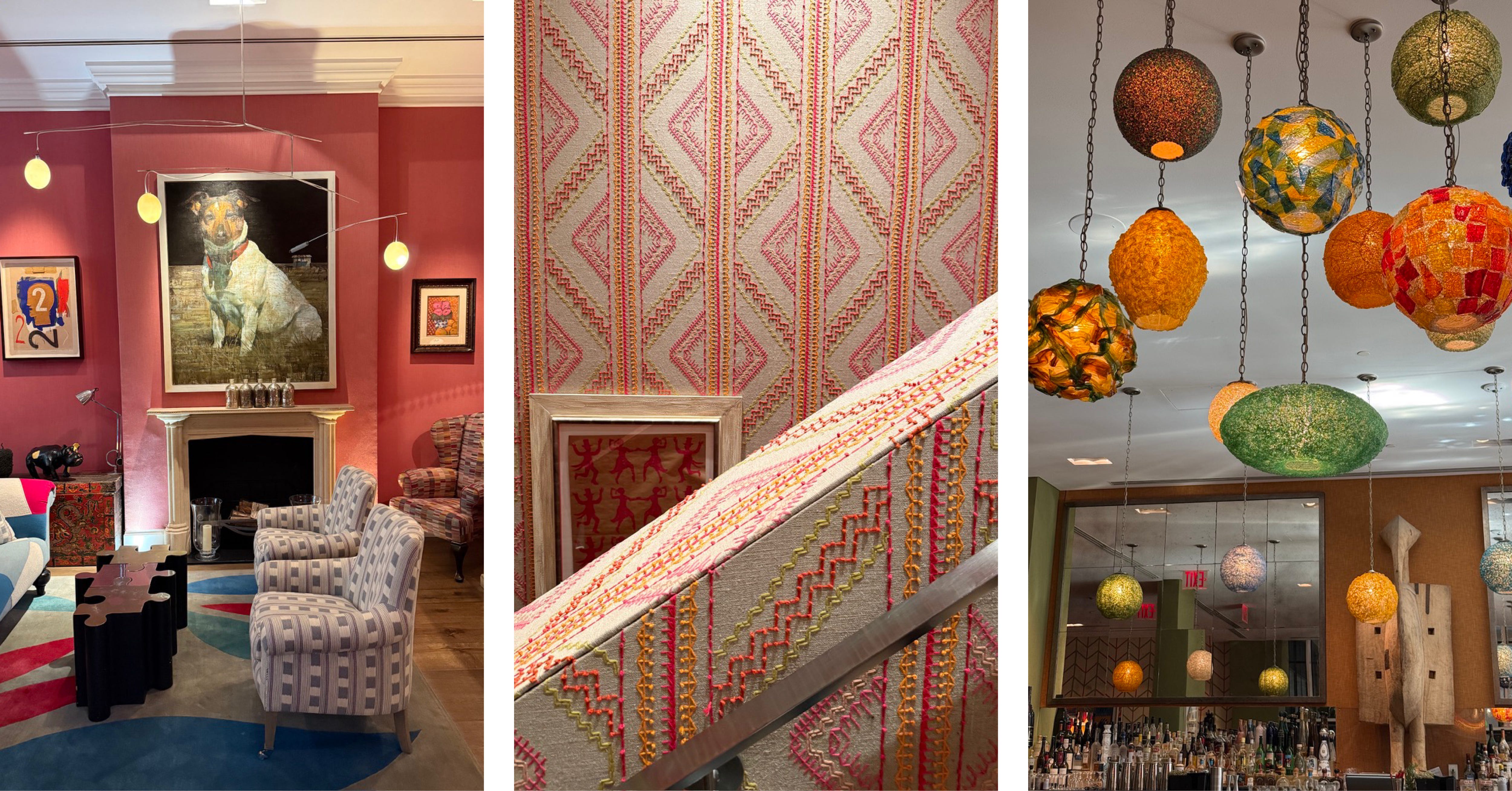
The Ludlow Hotel on the Lower East Side, opened in 2014 in an abandoned building Sean MacPherson and his partners rescued after the financial crash. The brief was New York of the early 1980s: Warhol, Basquiat, hip-hop from the Bronx, the Ramones. Oak-panelled walls, marble mosaic floors, a distressed limestone fireplace, Moroccan pendant lamps, factory casement windows. A hotel that wears its neighbourhood’s history without making it a costume. Cool is an understatement.
EAT
The Odeon opened in 1980 by the McNally brothers and the restaurant was the original TriBeCa landmark before TriBeCa was what it is now. The Art Deco detailing is the reason to go: the bar, the clock, the booths set out with a spatial logic that makes the whole room read as intentional from every seat. A room that has survived forty-five years of a neighborhood reinventing itself around it. And the food is genuinely good.
SoHo’s Altro Paradiso by chef Ignacio Mattos has high ceilings, a glimmering brass bar, amber light and proper woodwork. The kind of Italian restaurant that earns its regulars because the room is as considered as the menu. Handmade pastas that rotate with the season and a space that manages to feel both lively and calm at the same time, which is harder than it sounds.
Bridges is located in Chinatown, right between the entrances to the Brooklyn and Manhattan bridges, which is where the name comes from. The interior was done by Billy Cotton in his first ever restaurant project. It has cherrywood banquettes, glass blocks, chrome light fixtures, with references pulled from the nearby brutalist Chatham Towers. The French-Basque kitchen is lead by chef Sam Lawrence, formerly Estela. The design does what the best restaurant interiors do: it has its own logic that makes the food taste more like itself.
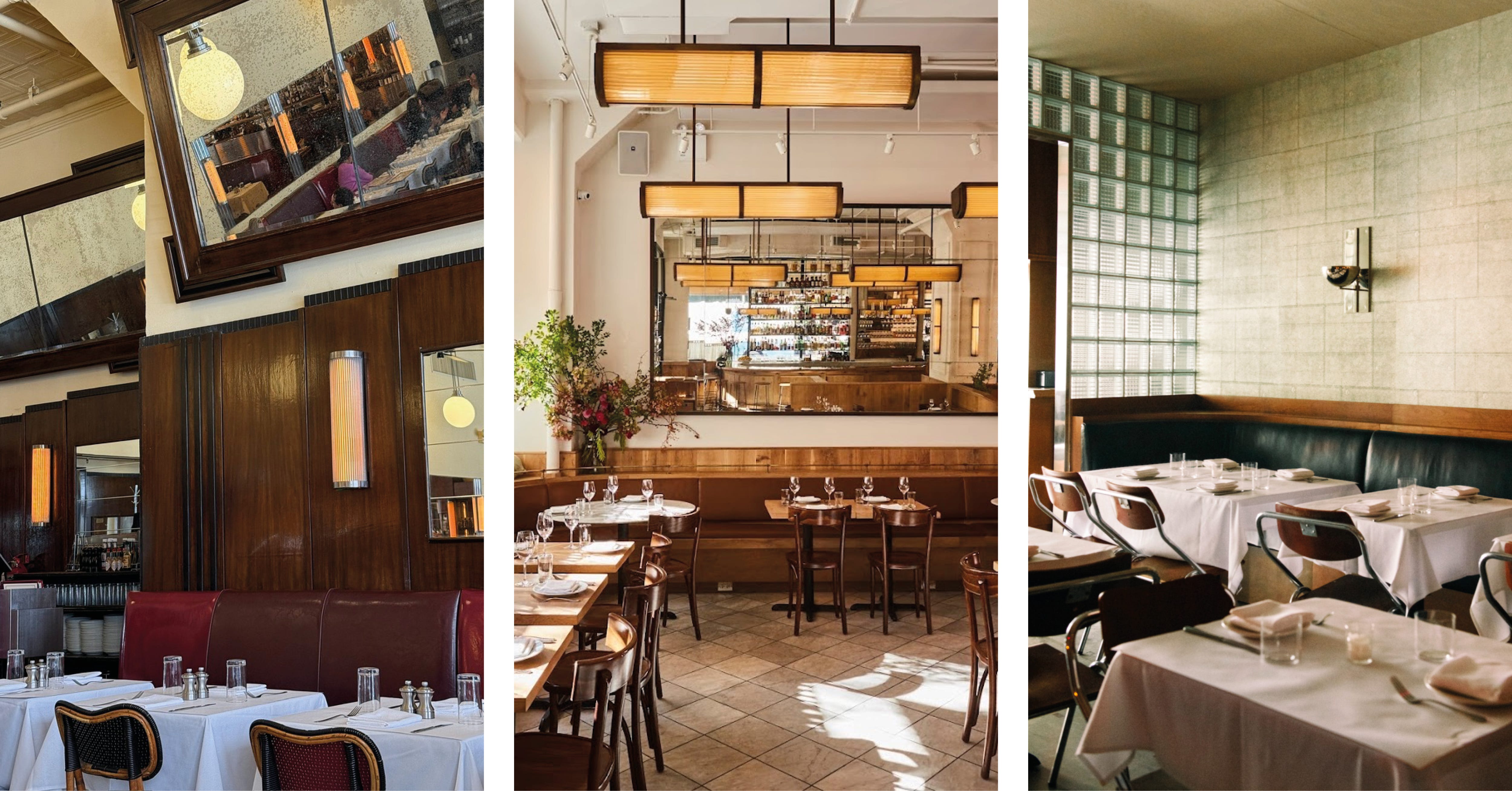
Dr. Clark is New York’s first Hokkaido restaurant, located in Chinatown. Interiors by Green River Project, the same studio behind the Bode store on Hester Street, which is exactly the reference the owner had in mind when he commissioned them. Coffee-stained natural plywood, custom African mahogany barstools, Hokkaido-style lamb BBQ at the table. The kind of place that tells you something very specific about the person who made it.
Sushi Koju Omakase is settled inside the Ace Hotel. The room is doing a lot quietly: vintage details mixed with clean Japanese sensibility, custom work throughout that makes the space feel considered rather than just dressed. It frames the food without competing with it, which is the whole point of a room like this. Smoked salmon with caviar, tuna in cuts that actually melt, a crab hand roll, hojicha ice cream, sake cocktails, vintage vinyl in the background. I’m still thinking about it.
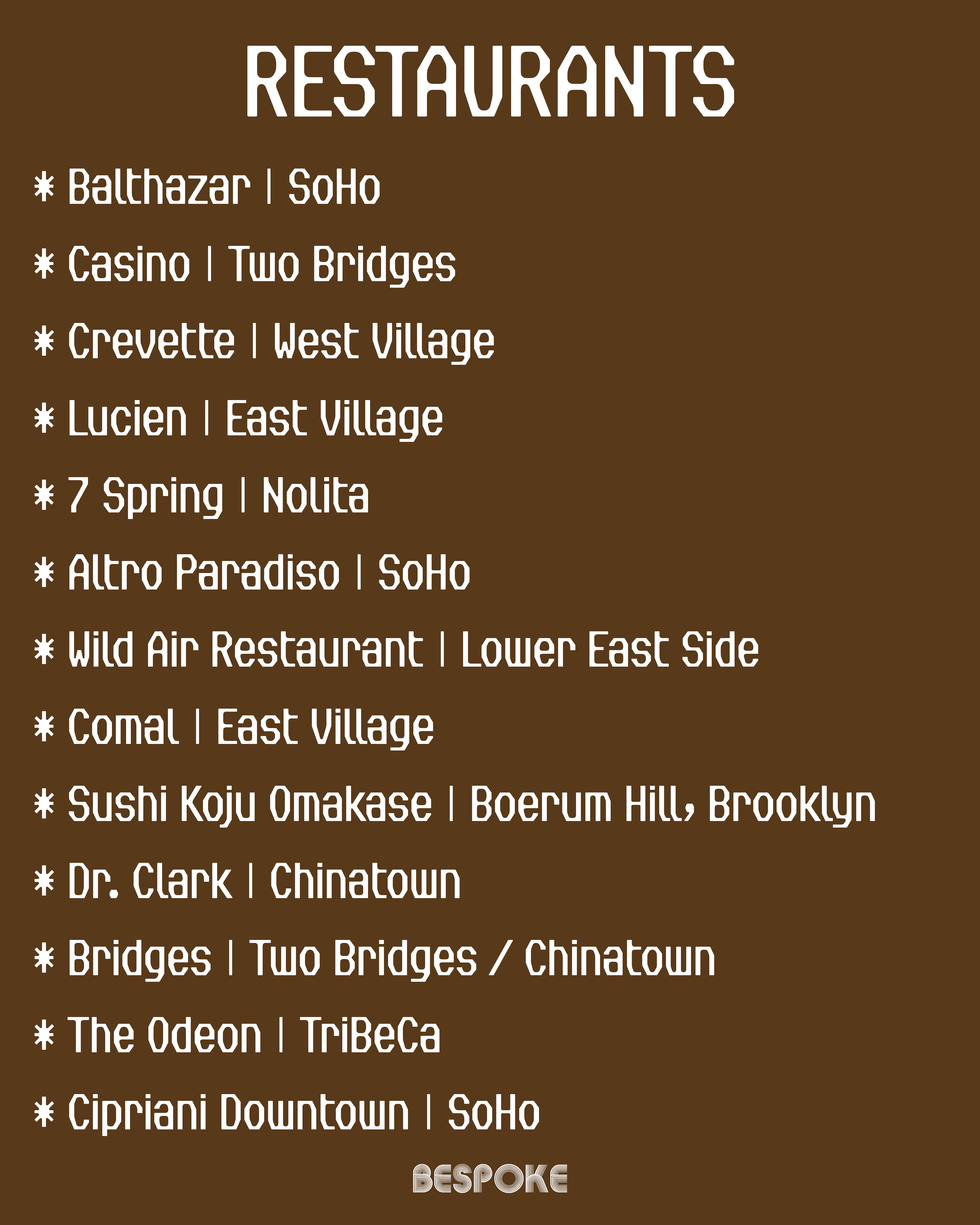
Also: Casino, Crevette, Lucien, 7 Spring, Wild Air Restaurant
DRINK
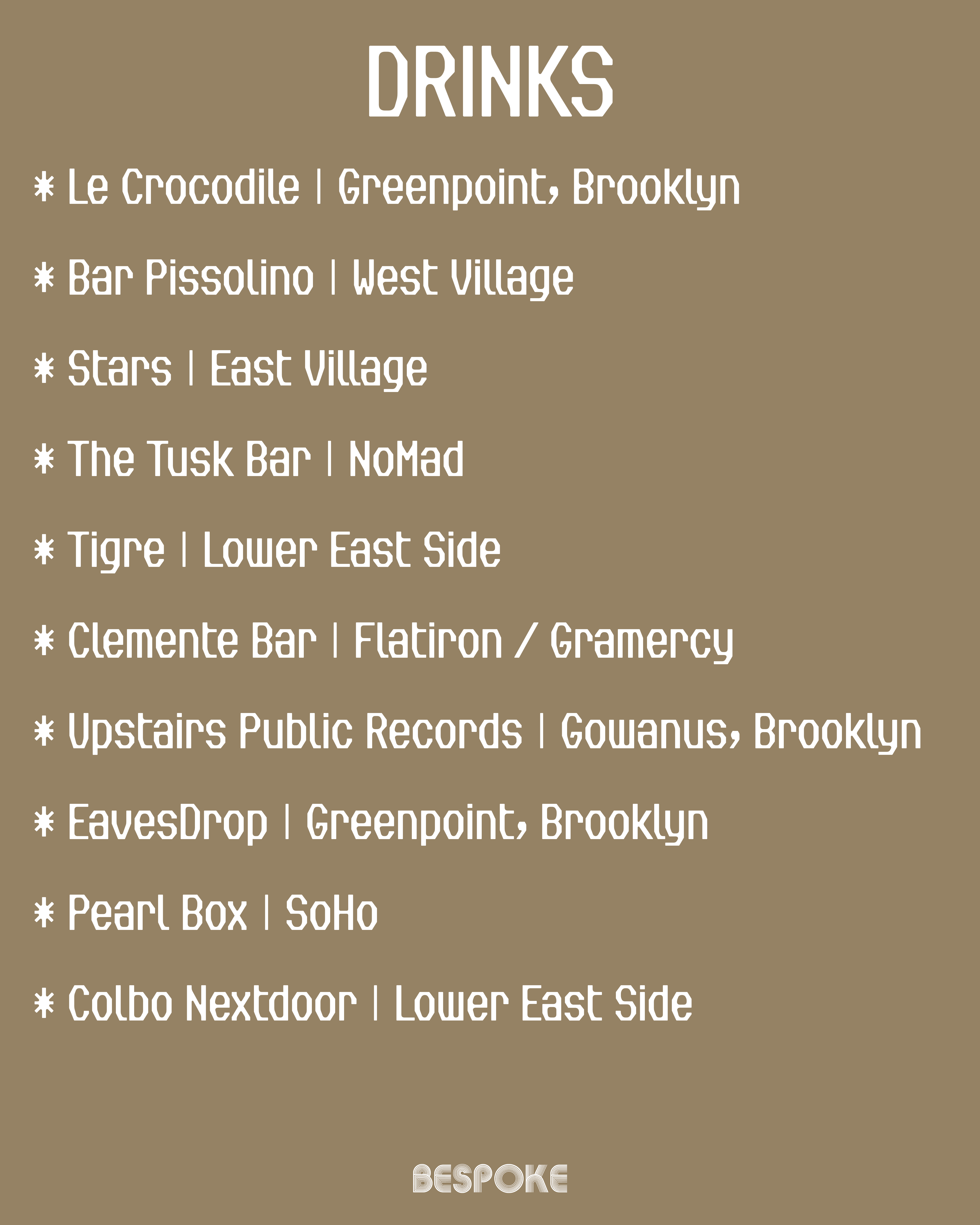
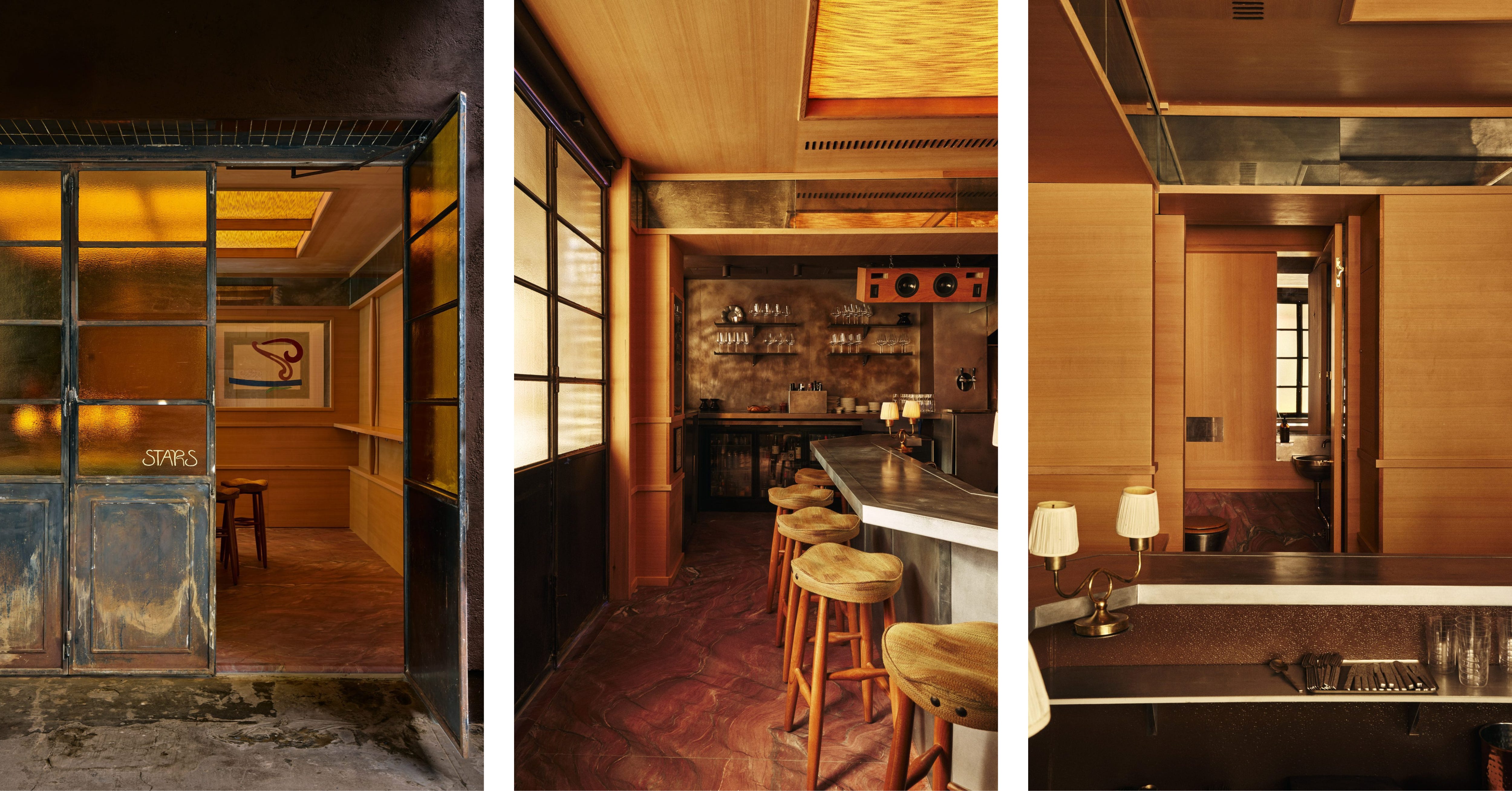
I’ve been watching Stars from a distance, as multiple design platforms wrote about it. A 12-seat wine bar in the East Village, from the team behind Claud and Penny. Studio Valle de Valle designed the entire 450 square feet as a single jewel box: cedar-lined walls, matte red marble floors, a horseshoe-shaped zinc bar with custom mahogany stools, and a fabric-wrapped faux skylight above that gives the room a sense of height it physically doesn’t have. Two Frank Stella works on the walls. The name is an homage to downtown and the artists who lived and worked here. Walk-in only, which I love as it keeps the idea of spontaneous plans alive.
COFFEE
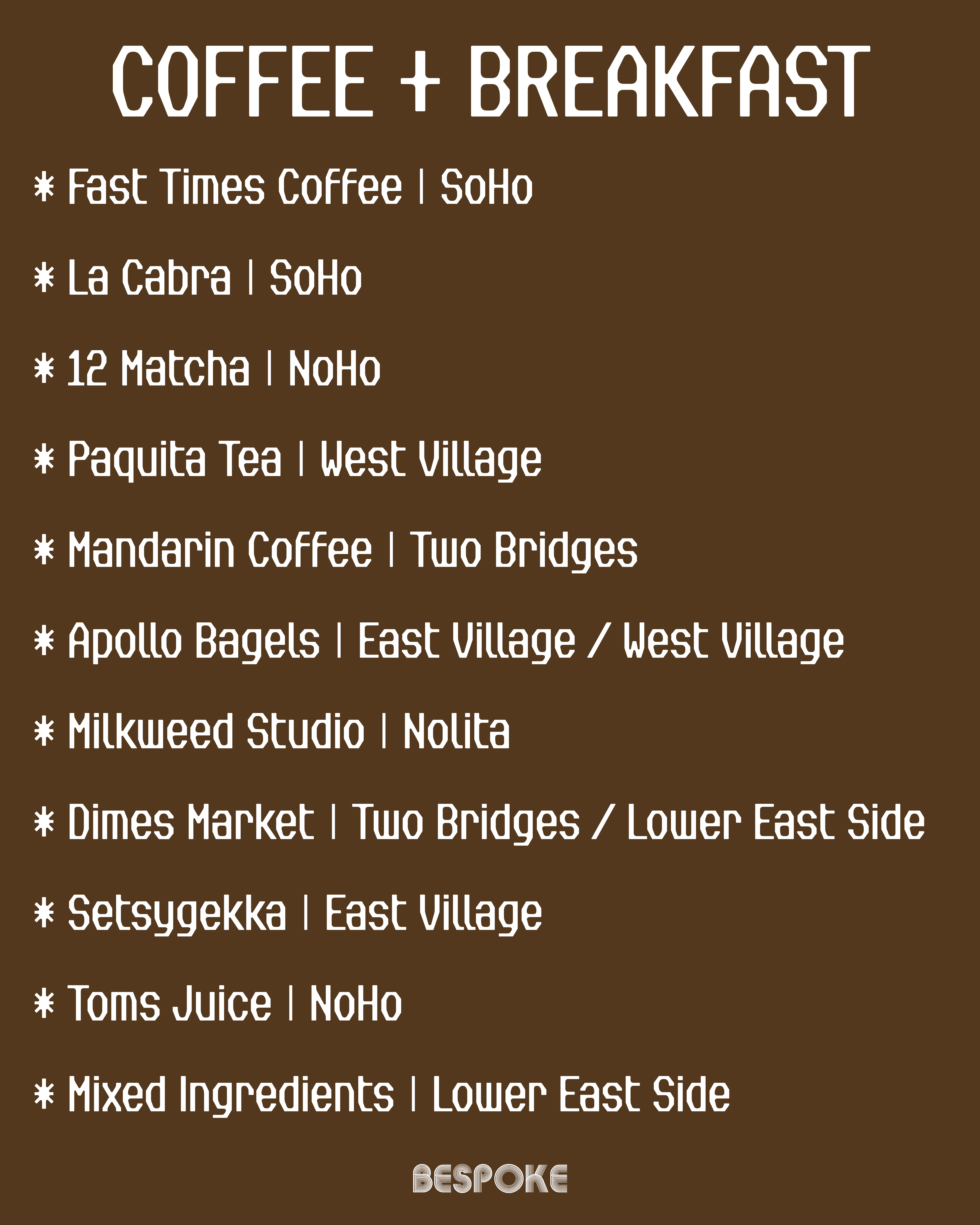
Fast Times Coffee Inside Buck Mason on Broadway, SoHo. The layout is simple but the vintage pieces scattered through the seating areas do something that’s hard to manufacture: they make the space feel lived in rather than designed for effect. That distinction is everything.
La Cabra’s New York outpost earns its own entry. The design is precise without being cold (obsessed with how they’ve used the tiles!) and the buns are, genuinely, worth making the trip for specifically.
Paquita Tea A proper tea destination, not a coffee shop that also does tea. The concept is specific and the space follows it.
Also: Setsygekka, 12 Matcha, Mandarin Coffee Two Bridges, Apollo Bagels, Milkweed Studio, Dimes Market.
ARCHITECTURE
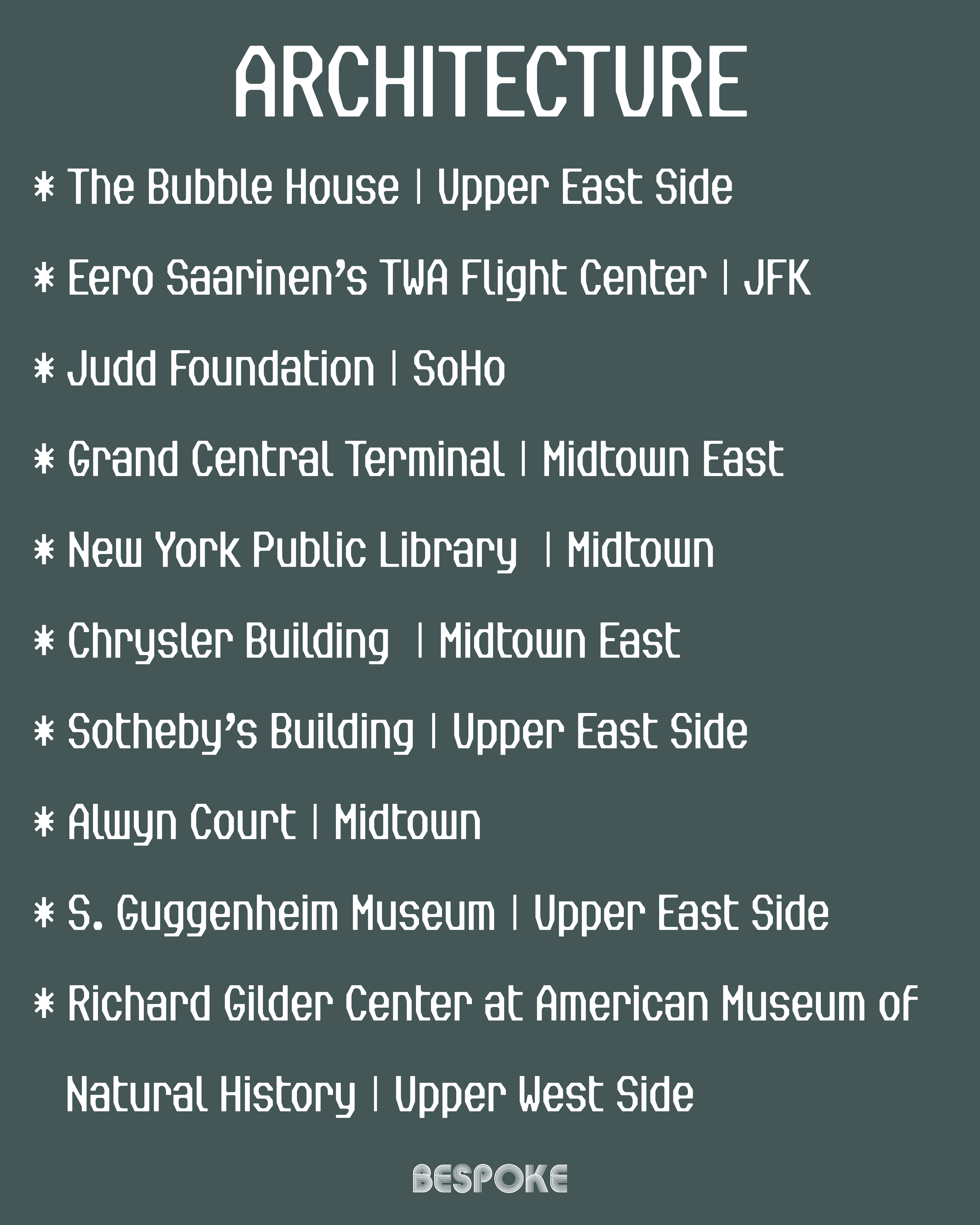
The Guggenheim by Frank Lloyd Wright completely takes over. Which is both the argument against it as a museum and exactly the reason it’s one of the most important buildings in New York. Wright designed it as a continuous spiral ramp, the idea being that you take the elevator to the top and walk down through the work. In practice what this means is that you never stop being aware of the building. I went for the Carol Bove exhibition, which I wrote about in the last issue.
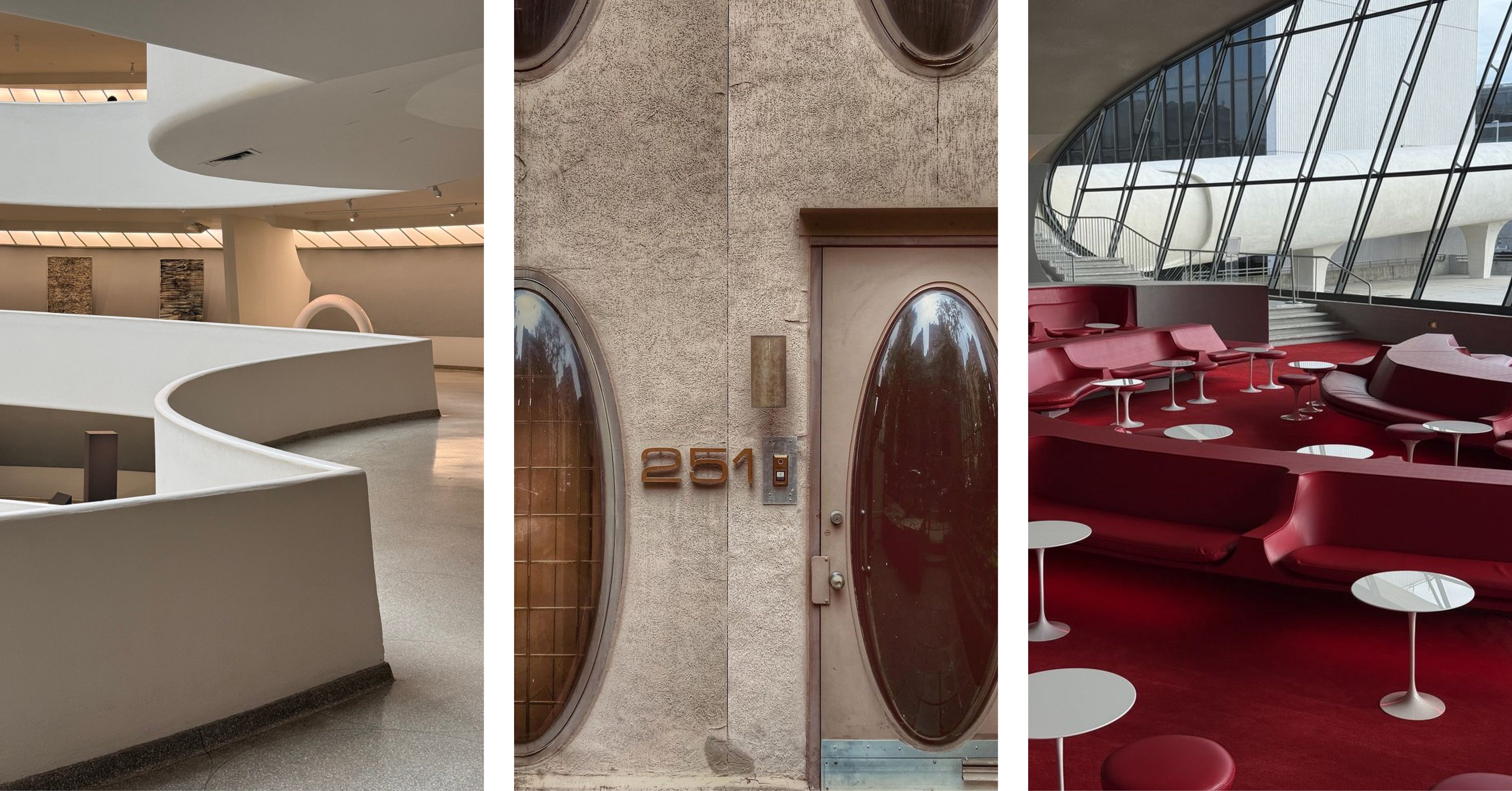
The Bubble House, Upper East Side is a 1970s organic-form private residence sitting in complete defiance of the neighborhood around it. The Upper East Side has a specific architectural grammar and this breaks every rule of it without flinching. That 70s soul, that willingness to build something genuinely peculiar, is rare. Word goes they will tear it down, I hope it doesn’t come to that.
TWA Flight Center by Eero Saarinen completed in 1962, is now a hotel at JFK airport. One of the purest examples of a building that looks exactly like what it is: the feeling of flight, made permanent in concrete. Saarinen finished it the year he died. I want to wander around it for an afternoon, so it’s a non-negotiable for next time.
GALLERIES, MUSEUMS + SHOWROOMS
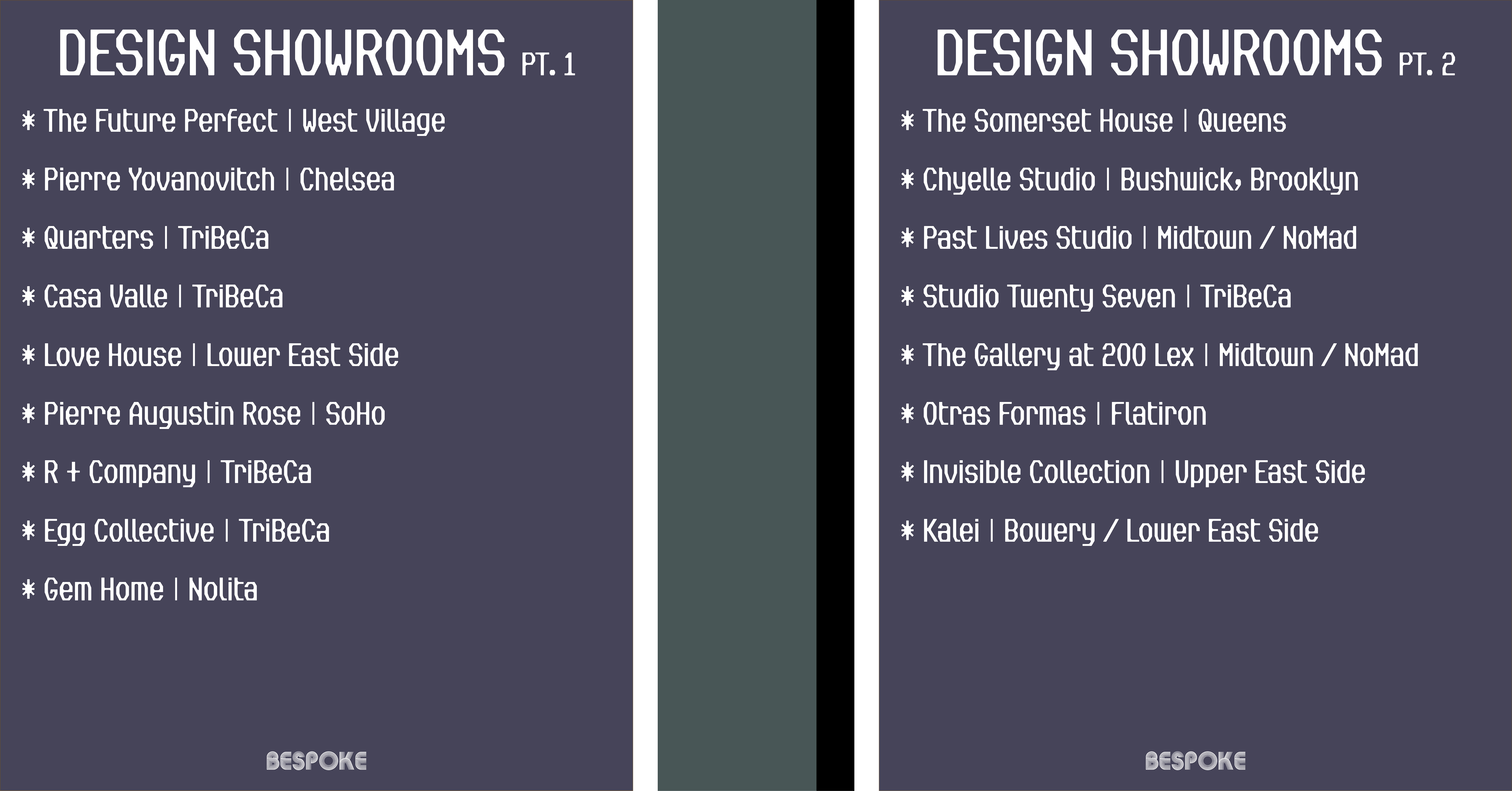
The Future Perfect St. Luke’s Townhouse in the West Village. Five floors, appointment only, built in 1901 and renovated by David Chipperfield. A contemporary gallery with collectible objects arranged as if someone actually lives there, which is the whole point. Seeing a piece in a real room, on a real staircase, next to a real window, tells you something about it that a white plinth never can. Hit hardest of the three showrooms, and for this reason specifically.
Pierre Yovanovitch gallery is located on a penthouse floor of a pre-war building in Chelsea, 10,000 square feet with a rooftop terrace over the gallery district. It is as cool as it sounds. Over 80 pieces arranged in immersive settings, with The Bear Chair in a lead role. What stays with you is the consistency of vision across every single piece in the room, which is what separates a furniture brand from a design practice.
Quarters has a younger energy and a stranger programme in the best way. The kind of showroom that introduces you to names before they become widely known. You leave with references you didn’t arrive with, which is always the more useful version of visiting a gallery.
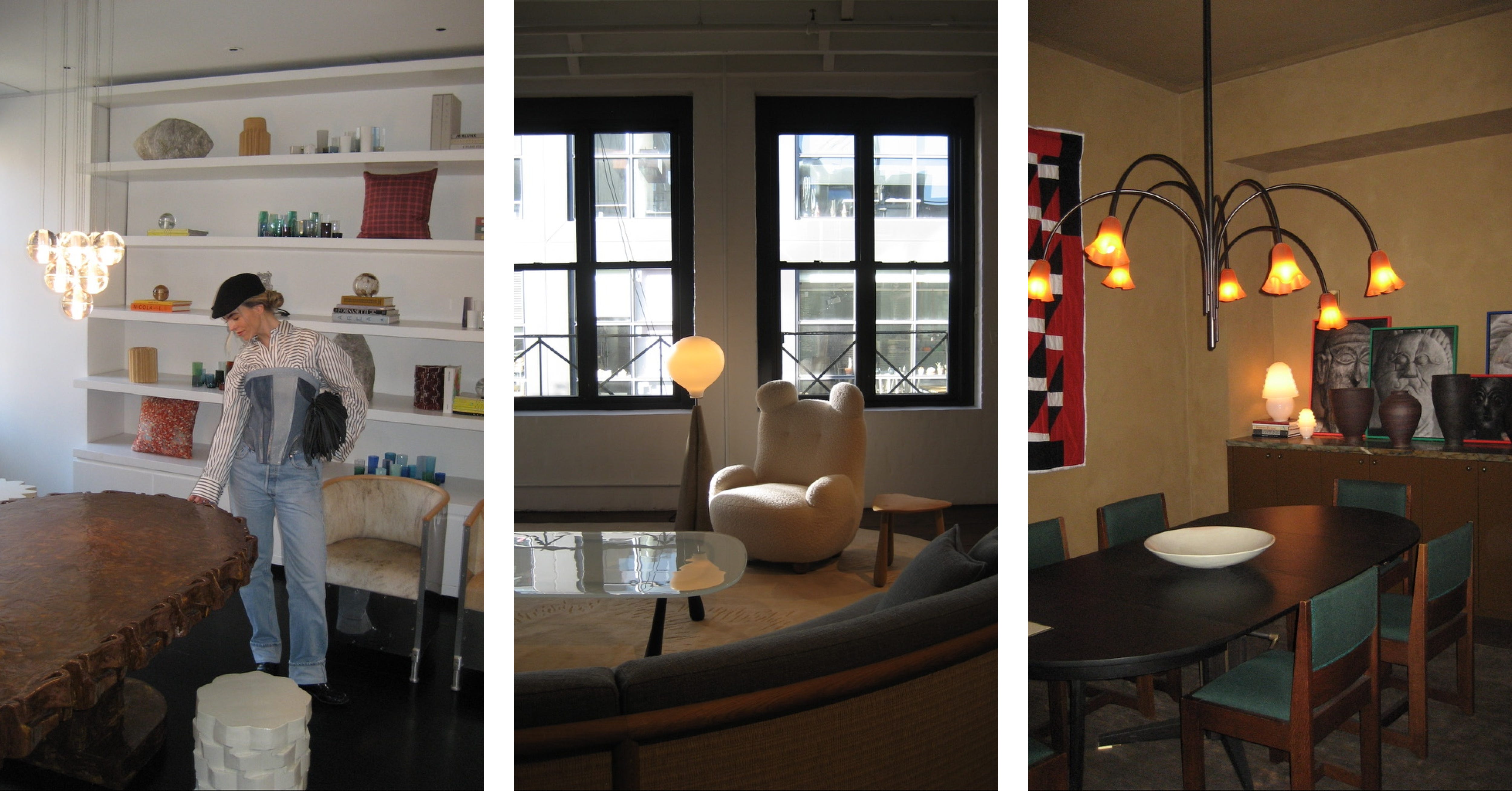
Kalei on the Bowery, is named after the kaleidoscope. Collectible design, vintage oddities, curiosities from multiple eras, and La Cabra coffee on a sun-drenched Italian patio. The concept is about play and shifting perspectives, which is a brief I find more interesting than most. Worth combining with La Cabra if you haven’t had one yet.
Love House hosts young talent, a different entry point into collectible design. The next generation, before it’s been collected.
Lisson Gallery has one of the best gallery programmes in the world. The London original has been setting the standard for decades and the New York space holds the same level. Worth checking what’s on before you go. At the time of writing, Anish Kapoor’s work is showing. His mirror sculptures and pigment works are the kind of thing that makes you question how a room can hold that much presence. If you’re anywhere near his work right now, go!
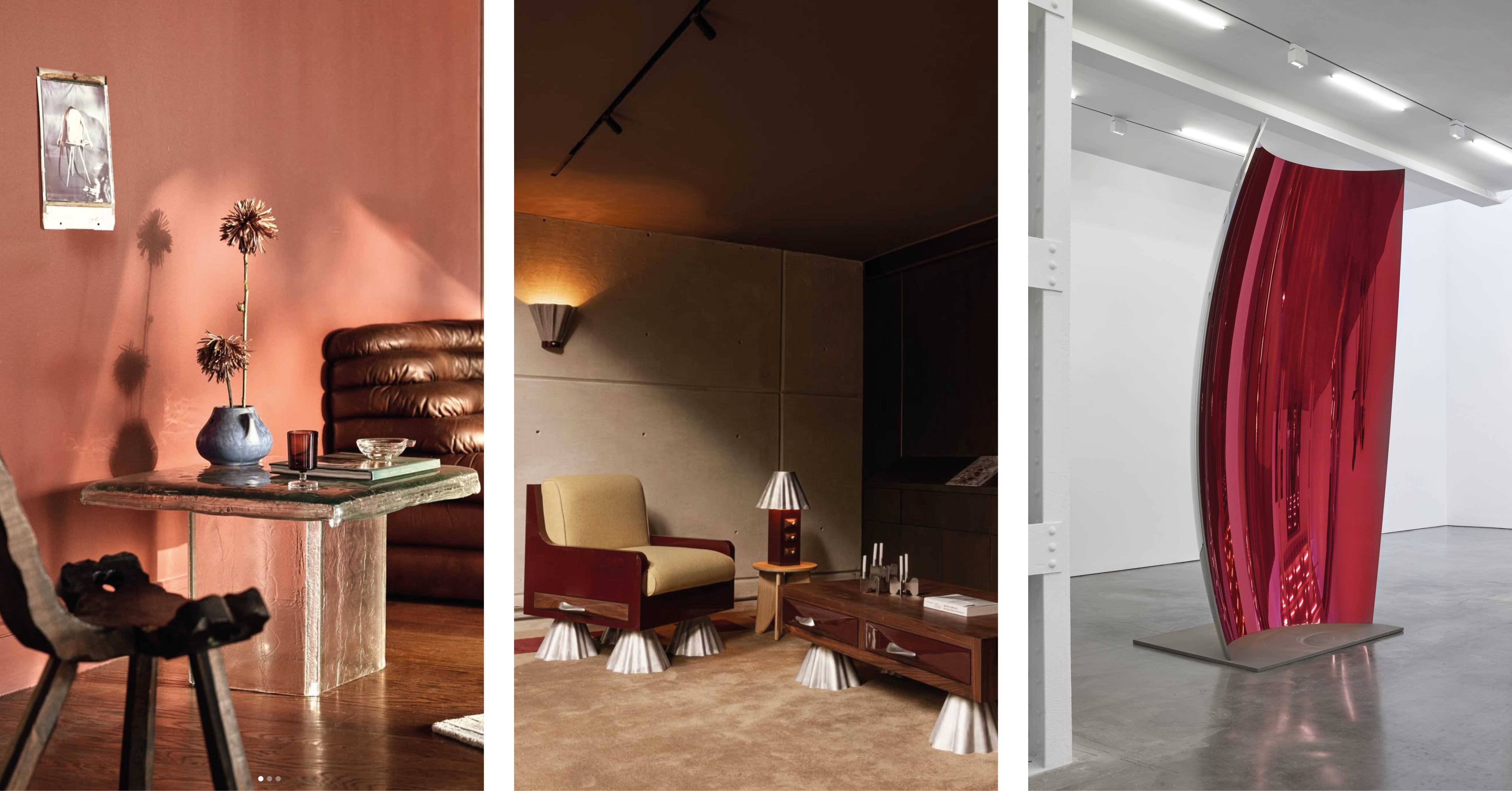
Casa Valle in Tribeca, is the gallery and showroom of Studio Valle de Valle, founded by designer Giancarlo Valle and former Architectural Digest style director Jane Keltner de Valle. The space is built around 18th-century New York, specifically the Lispenard family home that once sat near the Collect Pond. White clapboard panels, a tiled fireplace depicting that lost house, soaring cast-iron loft ceilings. The furniture collection sits in conversation with historic pieces from other eras, the kind of space where the curatorial logic is as interesting as the objects.
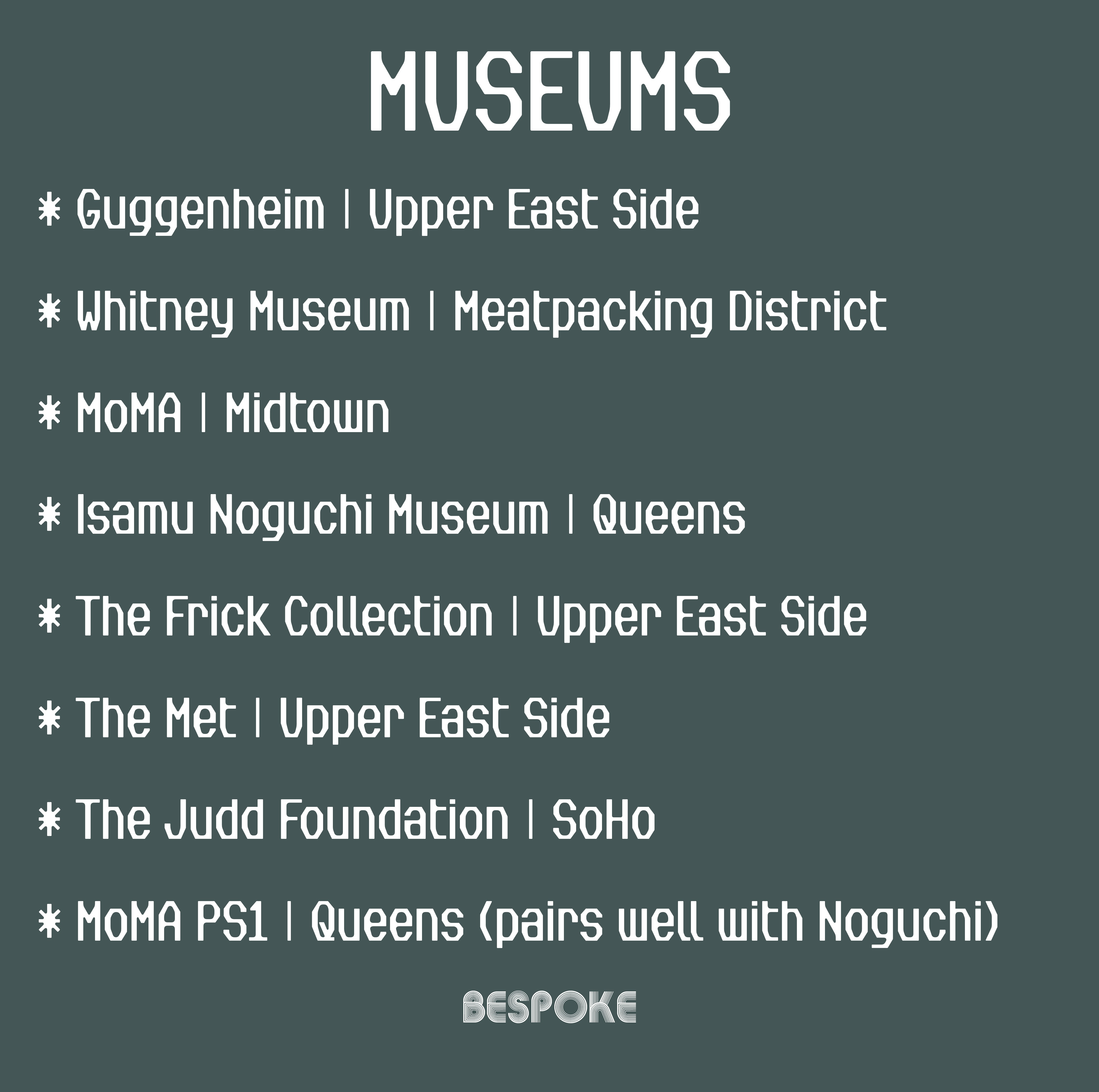
The Isamu Noguchi Museum located in a converted factory in Long Island City, holds the most extensive collection of the artist’s works, from architectural models, to sculptures and furniture designs. Impossible to leave without buying something from the shop, which I say as both a warning and a recommendation.
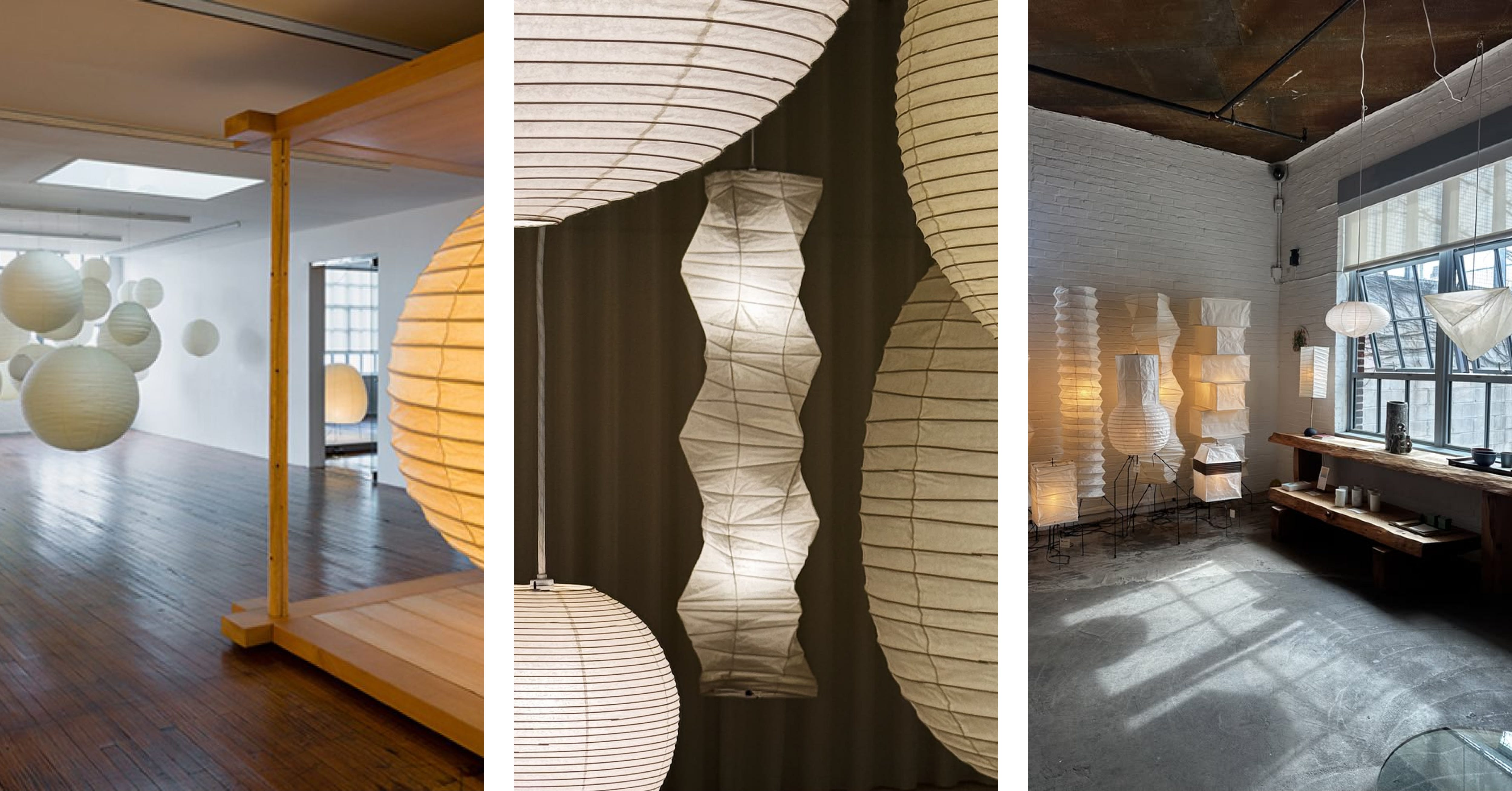
MoMA PS1 is located in a former public school built in 1890, and now one of the largest contemporary art centres in the United States. The building is part of the work: raw, industrial, institutionally imperfect in a way that suits the program exactly. Where MoMA shows what has been validated, PS1 shows what is still being argued about.
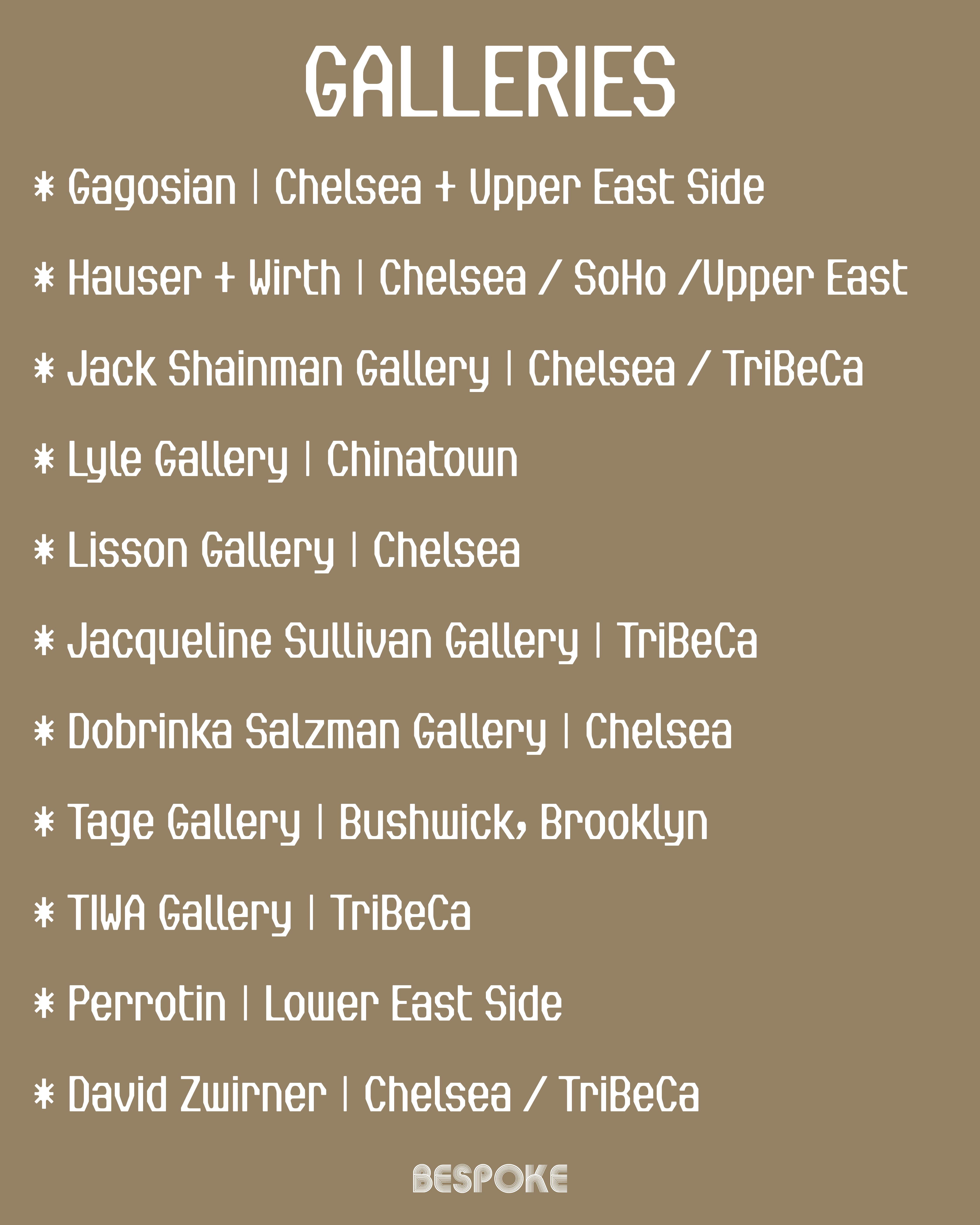
Also: Gagosian, Hauser + Wirth, Jack Shainman Gallery, Lyle Gallery, Jacqueline Sullivan Gallery, Dobrinka Salzman Gallery, Tage Gallery, TIWA Gallery, Perrotin, David Zwirner Chelsea, Whitney Museum, MoMA.
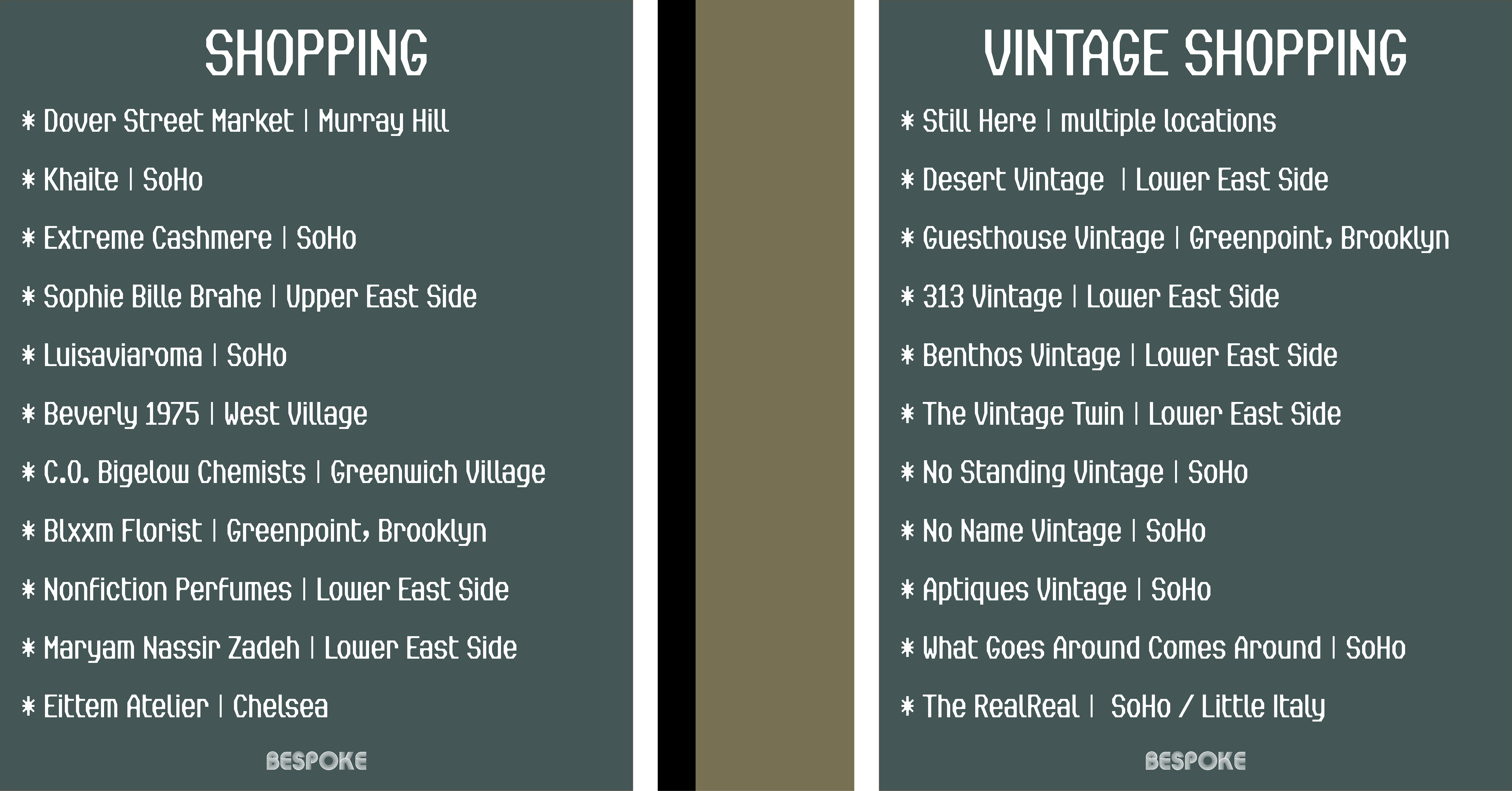
SHOPPING
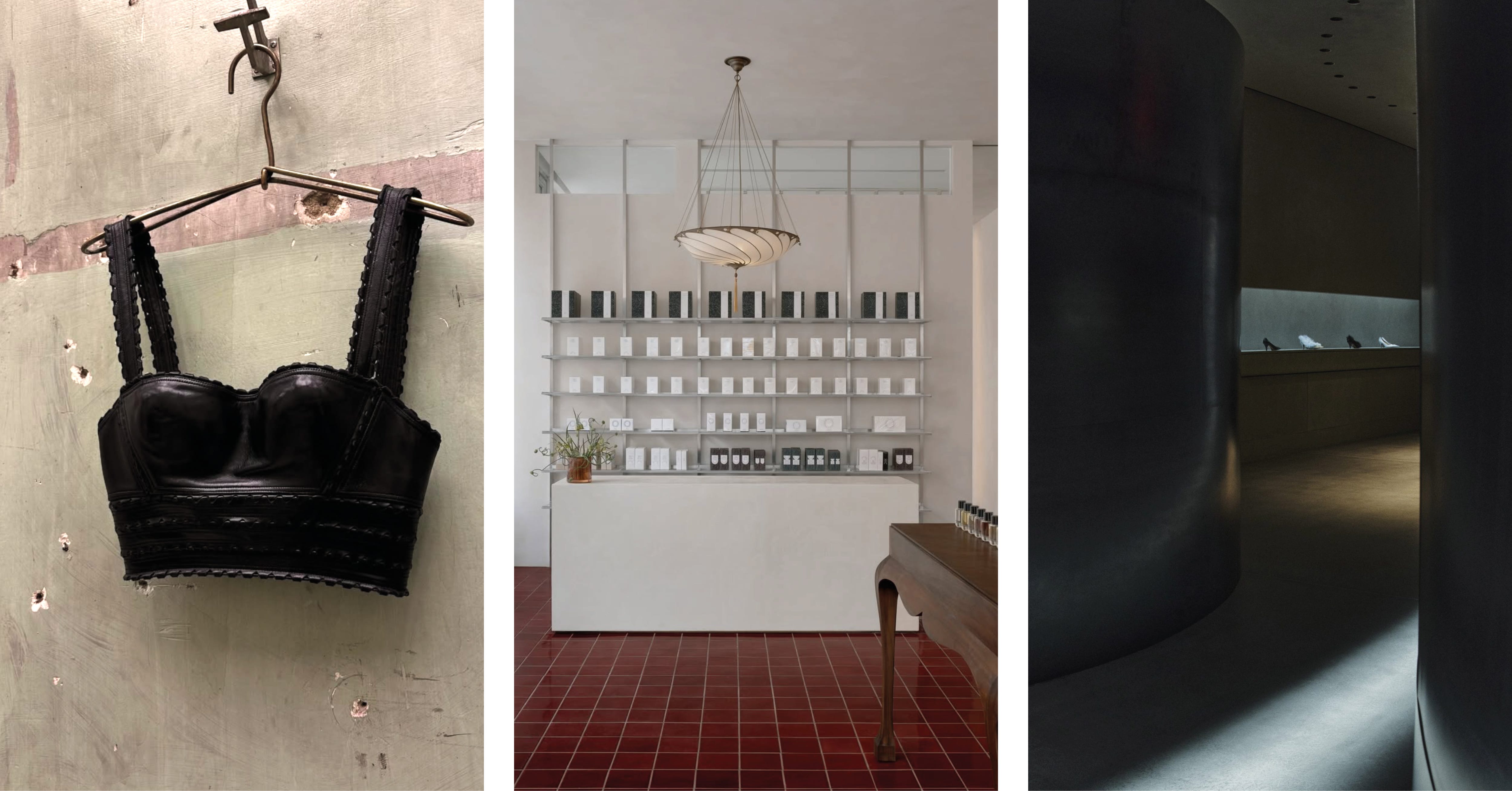
Khaite‘s SoHo store was designed by founder Catherine Holstein and her architect husband Griffin Frazen who wanted to encapsulate the cultural legacy of the SoHo location with the area’s connection to the founding of the brand. One of the most important American brands right now and the space holds that up with its concrete, steel, an evergreen tree growing directly from the floor.
Maryam Nassir Zadeh on Norfolk Street on the Lower East Side has been a downtown reference since 2008, the merchandising inspired by her grandmother’s boutique in 1970s Tehran: potted palms, things displayed on the floor, an edit that reads as a personal wardrobe rather than a commercial strategy.
Desert Vintage‘s curation is so good. It feels like someone with a real eye made every decision. Tight edit, nothing surplus, the kind of vintage shop where you trust the selection before you’ve touched anything.
Blxxm Florist is a florist with a genuine design sensibility. Not just flowers, but the way they’re thought about and presented. That distinction matters more than it should. Showroom open by appointment.
Nonfiction Perfumes offers fragrances built around presence rather than escape, and you see that back in the store design. That’s what I call an interesting brief.
So many good shopping spots in New York, almost impossible to make a curated list!

BOOKS + MAGAZINES
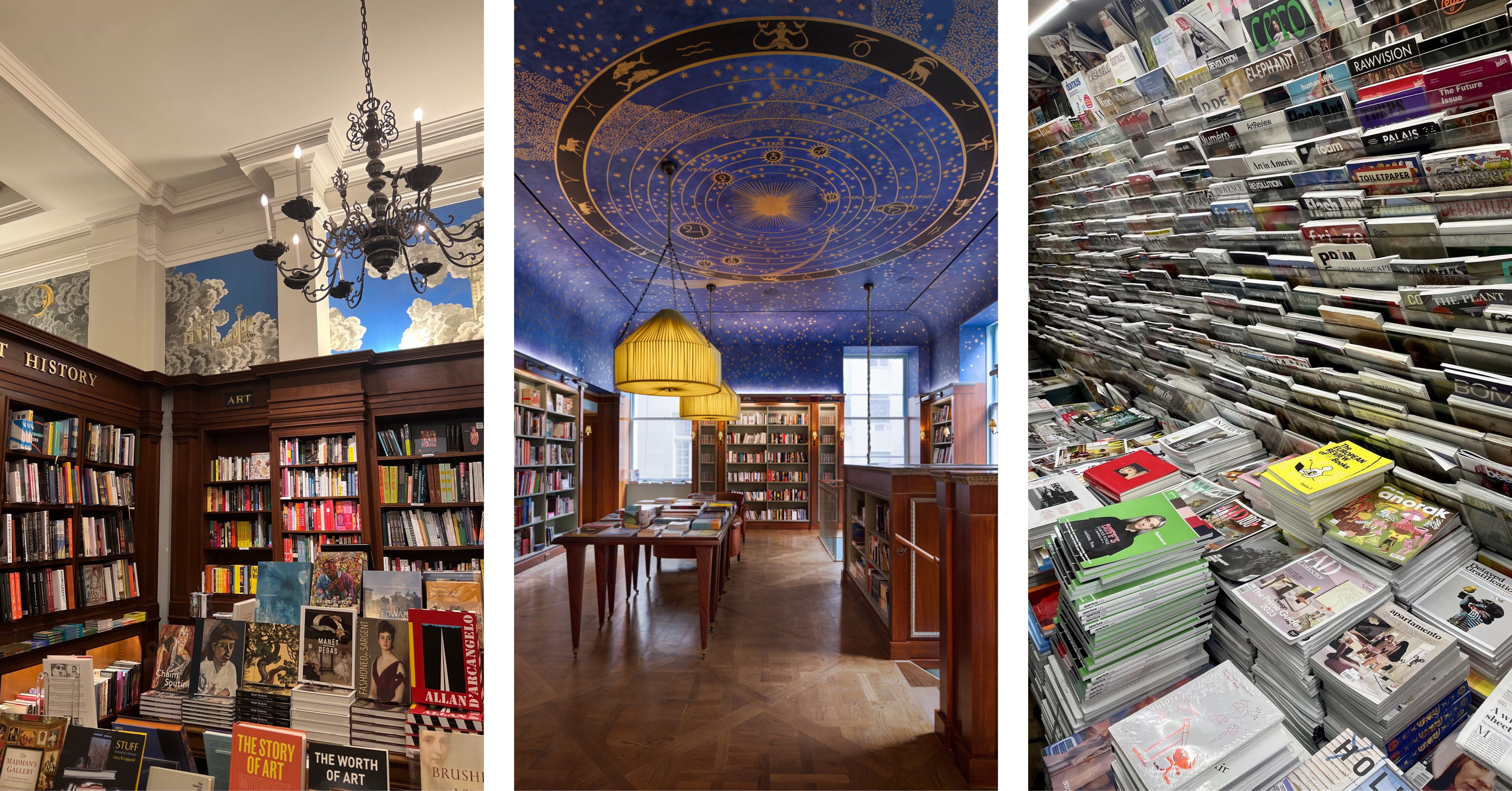
Rizzoli for the Beaux-Arts building alone, a landmark dedicated entirely to design and art publishing. Albertine for the premise: French-language literature inside the French consulate building on the Upper East Side, next to the Guggenheim. Casa Magazines for every magazine that doesn’t reach your usual radius. Iconic Magazines for vintage issues as object, as archive, as a different way of reading design history. New York knows how to do great bookstores!
WELLNESS
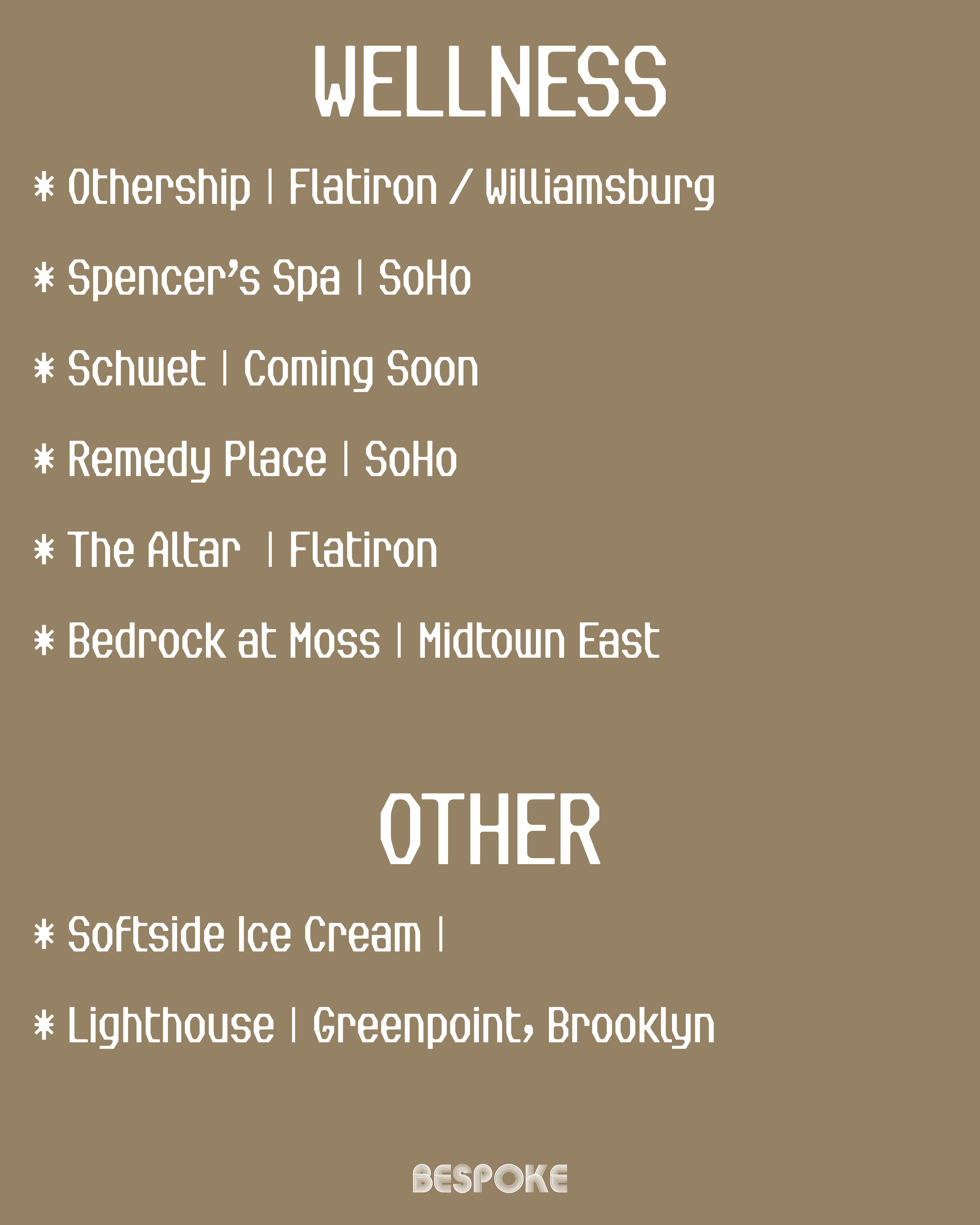
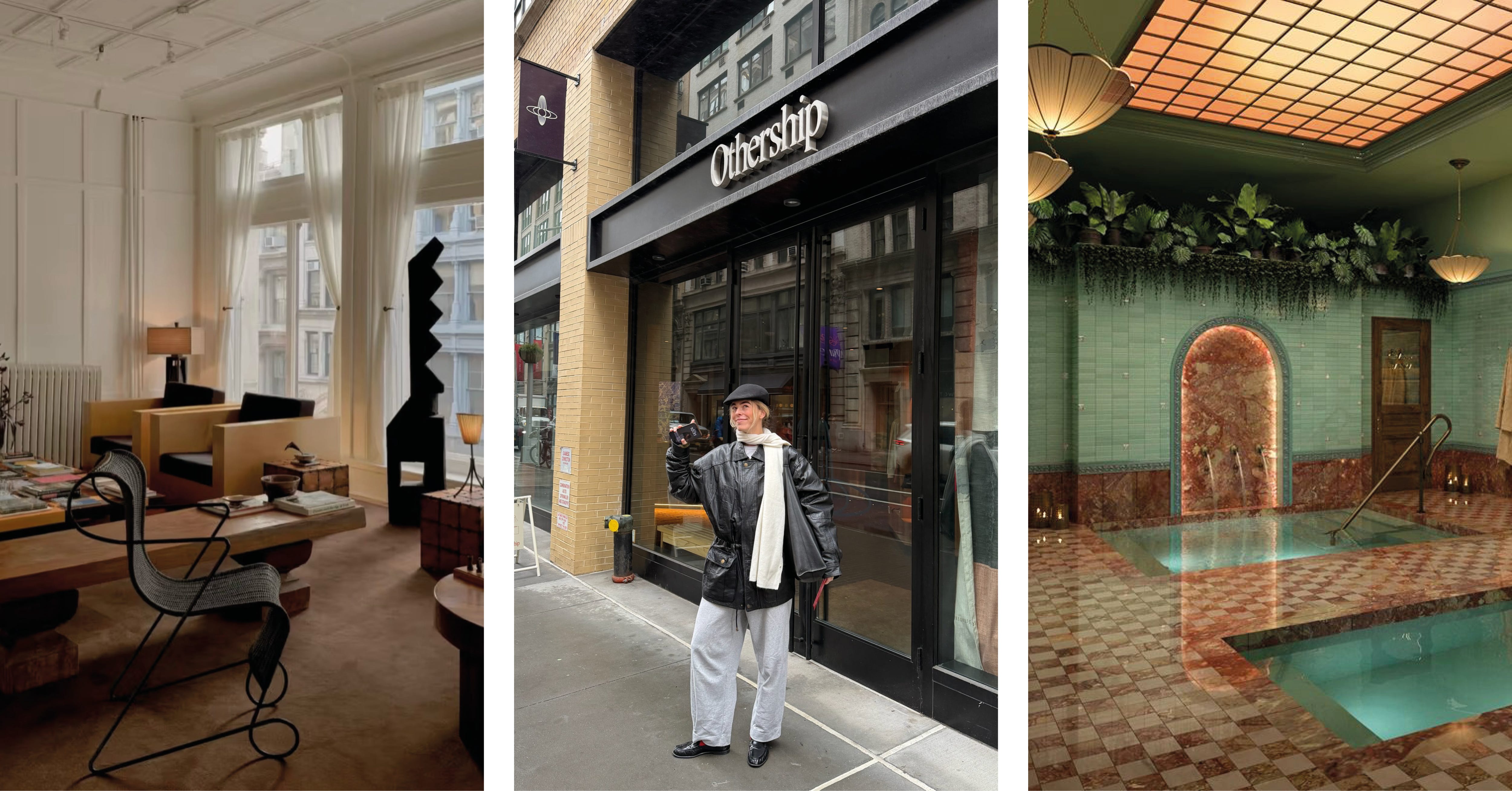
Othership is the OG for breathwork, cold, heat and community. The space takes it all seriously as a design brief together, which is rarer than it should be for wellness spaces. The materials are considered, the concept doesn’t compromise, and it proved something I already believed: you don’t have to choose between rigor and atmosphere. The way the design (and amazing staff!) guides you through the experience is beyond every wellness space I’ve encountered so far.
Schwet (opens summer 2026) The images and the social direction already tell you what you need to know: this is a team that understood the assignment. Not the clean-lines-and-minimalism wellness aesthetic I’ve personally had enough of. Something with more story to it, more understanding that a wellness space is about interaction and experience, not just surfaces. The brief alone makes it worth watching.
Spencer’s Spa feels like you’ve walked into the living room of someone with exceptional taste, and the facial happens to occur there. That reframing of the luxury spa, away from the clinical and toward the genuinely intimate, is exactly the direction I find interesting.
Also: Remedy Place, The Altar, Bedrock at Moss.
OTHER
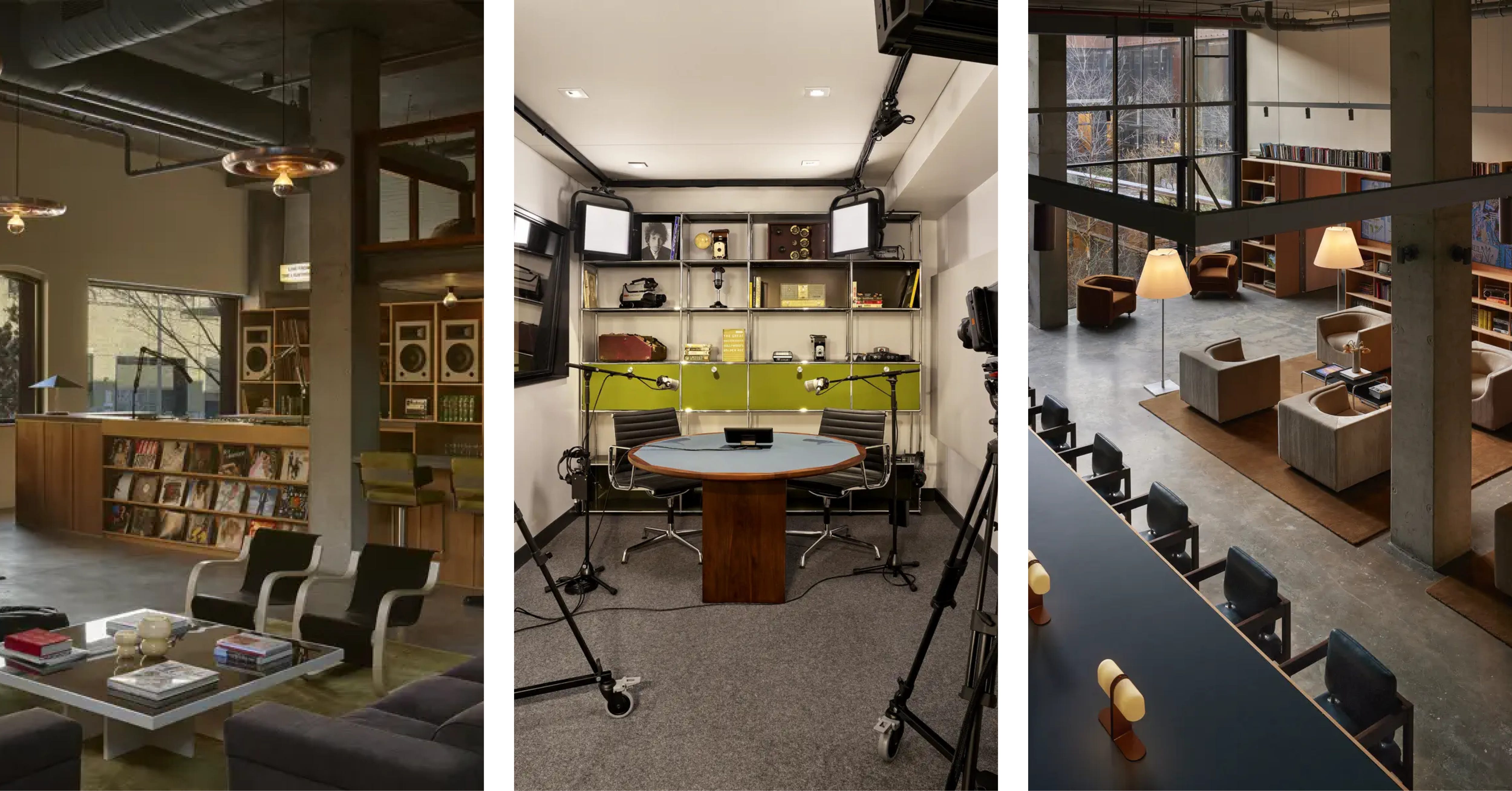
Lighthouse is a dream workspace for every creative. A creative campus in Brooklyn, housed in a 19th-century pencil factory in Greenpoint. Private studios, communal workspaces, a 50-person theatre, podcast studios, test kitchens, a café, event spaces. Built by Whalar as a physical home for the creator economy, designed around the idea that creativity needs a real room to happen in. The Brooklyn’s building alone is worth it, and the community it’s pulling together is genuinely interesting. For anyone working independently in a creative field, this is the kind of space that makes you think about what your own practice could look like if it had the right room around it.
What should I add to this list? New York is one of those cities where everyone has their own version of it. I'd love to know yours!
Until next time,
Janneke
👌